Cusco Lodging Peaks at Quadruple the Rainy Season Rate While Inti Raymi Rehearsals Fill Every Terrace
Cusco hotel rates quadruple during Inti Raymi. Learn how to book ahead, find affordable stays beyond the plaza, and enjoy a humane three-day festival window.
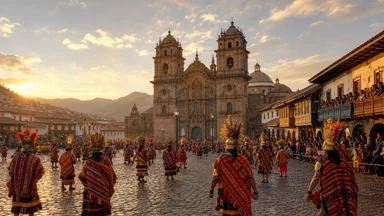
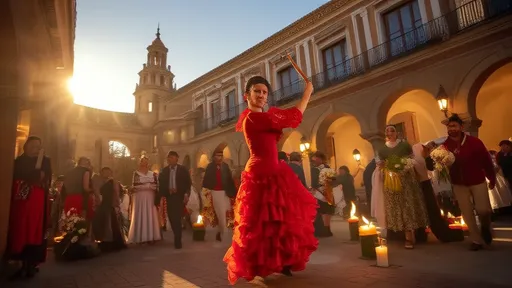
Every June, the ancient Inca capital of Cusco transforms. The streets fill with dancers in crimson and gold, the air carries the smell of roasted cuy, and the terraces overlooking the Plaza de Armas become prime real estate. This is Inti Raymi, the Festival of the Sun, and it draws tens of thousands of visitors. The result: hotel rates that quadruple compared to the rainy season, and a scramble for beds that begins months in advance. If you're planning to witness the spectacle, you need a strategy that goes beyond booking early. Here's what the surge looks like on the ground, and how to navigate it without draining your savings.
The Price of a Terrace: What Inti Raymi Does to Cusco Rates
Ask any Cusco hotel owner about June and they'll tell you the same thing: it's the month that pays the year. Rates that hover around US$ 20–30 per night for a basic double in February can jump to US$ 80–120 during the festival. In the most sought-after properties, those with balconies overlooking the plaza, prices can reach US$ 250–300 or more. That's a fourfold increase, and it applies across the board, from budget hostels to boutique hotels.
The surge isn't just about the main ceremony on June 24. It starts weeks earlier, when rehearsals begin. Dancers and musicians take over the plazas, and every terrace becomes a viewing platform. Condé Nast Traveler has noted that Airbnb demand in Cusco spikes dramatically during this period, with listings near the historic center booked solid by late April. Last-minute bookings are nearly impossible; even the most expensive suites are taken.
This is a market where supply simply cannot keep up with demand. The historic center is compact, and zoning rules limit new construction. So the price increase is not a temporary blip; it's a structural feature of the festival. Understanding this is the first step to planning a trip that doesn't bankrupt you.
The good news is that the surge is predictable. Rates follow a clear pattern: they climb from the start of June, peak around the 24th, and drop sharply by the end of the month. If you can shift your dates by even a few days, you can save significantly. But if you're set on the main event, you'll need to accept the premium and plan accordingly.
Why Rehearsals, Not the Main Event, Draw Crowds
Here's a secret that many travel blogs miss: the rehearsals are often better than the main event. For weeks before June 24, the streets of Cusco become an open-air stage. Dance troupes practice in the Plaza de Armas, the Plaza San Francisco, and even on the steep cobbled lanes of San Blas. These rehearsals are free, open to the public, and far less crowded than the main ceremony at Sacsayhuaman.
Watching a rehearsal is a different experience. You can stand close, see the detail in the costumes, and hear the musicians tuning their instruments. The atmosphere is relaxed, almost intimate, compared to the packed grandstand on the big day. For photographers, it's a golden opportunity: the light is softer in the late afternoon, and you can frame shots without a sea of heads in the way.
Local guides, who often have family members in the dance troupes, know the rehearsal schedules. A short conversation with a guesthouse owner or a street vendor can yield the exact time and place of the best practices. It's a way to engage with the culture on a deeper level, and it's far less stressful than fighting for a spot at Sacsayhuaman.
There's also a practical advantage: sunrise views from San Cristobal hill, just above the historic center, offer a panoramic perspective of the rehearsals below. It's a quieter spot, popular with locals, and you can watch the city wake up to the sound of drums and flutes. If you're looking for a humane pace, this is the way to experience Inti Raymi without the crush.
Booking a Bed: What to Reserve and When
If you're serious about attending Inti Raymi, book your accommodation six to eight months in advance. That's not an exaggeration; many of the best-value rooms are gone by February. The San Blas neighborhood, with its artisan workshops and bohemian vibe, is the most desirable. Guesthouses there are steep, but they're also the most atmospheric. Expect to pay US$ 80–150 per night for a double with a terrace view.
For budget travelers, hostels offer dorm beds from US$ 15–25 per night. But even these fill up fast. The key is to book early and consider a refundable rate. Many properties offer free cancellation up to a week before arrival, which gives you flexibility if plans change. It's a small premium for peace of mind.
Hotel chains near the plaza command a premium that can seem absurd. A standard room at an international brand can cost US$ 200–300 per night, and it's often booked out. But if you're willing to walk 15 minutes away from the center, prices drop dramatically. The key is to balance proximity with cost, and to understand that the festival noise carries far.
One tip from seasoned travelers: look for guesthouses that include breakfast. During the festival, restaurant prices surge, and a simple breakfast can cost US$ 8–10. If your room includes it, you save both money and time. It's the kind of detail that makes a difference over a three-day stay.
Beyond the Plaza: Where to Stay Without the Surge
The historic center is the epicenter of the festival, but it's not the only place to stay. Neighborhoods like Santiago and San Pedro, just a 15–20 minute walk from the Plaza de Armas, offer family-run hostales at a fraction of the cost. These are working-class areas with a more authentic feel, and they're well-connected by local transport.
In Santiago, you can find clean, simple rooms for under US$ 50 per night, even during the festival. The streets are quieter, and you'll be surrounded by local life: markets, bakeries, and the occasional llama in a courtyard. It's a different experience from the tourist-packed center, and many travelers find it more rewarding.
San Pedro, near the bustling market of the same name, is another option. It's a bit closer to the action, and the market is a great place to eat cheaply. The trade-off is noise: the market starts early, and the streets can be chaotic. But if you're a light sleeper, choose a room away from the main thoroughfares.
One thing to keep in mind: avoid staying near Sacsayhuaman during rehearsals. The sound of drums and marching bands echoes through the hills, and it can go on late into the night. It's a unique soundtrack, but not if you're trying to sleep. Choose a place with double-glazed windows or earplugs, and you'll be fine.
Eating and Moving Around in Peak Season
The festival surge affects more than just lodging. Restaurant prices jump by 20–30 percent, and popular spots near the plaza can have queues out the door. But there's a saving grace: the menu del día, a fixed-price lunch that's a staple of Peruvian dining. Even during the festival, you can find these for US$ 3–5, and they include a soup, a main course, and a drink. It's the best value in town.
For dinner, expect to pay more. A decent meal at a mid-range restaurant will cost US$ 15–25 per person. Street food is cheaper, but it's also a gamble. Stick to stalls that are busy with locals, and you'll likely be fine. The festival brings out a wave of vendors selling anticuchos, tamales, and chicha, and the quality varies widely.
Getting around Cusco during the festival is a challenge. Buses and taxis surge in price, and traffic jams are common. The best strategy is to walk. The historic center is compact, and most attractions are within a 20-minute walk. For longer trips, colectivos (shared vans) offer fixed rates that don't change with demand. Just be prepared to squeeze in.
Carry small bills. Many street vendors and small shops won't have change for large notes, and ATMs often run out of cash during the festival. It's a practical detail that can save you a lot of frustration. Also, beware of pickpockets in crowded areas; keep your valuables secure and your wits about you.
A Humane Three-Day Window That Skips the Chaos
If you want to experience Inti Raymi without losing your mind, plan a three-day window that avoids the peak crush. Arrive two days before the main ceremony. This gives you time to acclimatize to the altitude and explore at a relaxed pace. Day one: visit the ruins of Sacsayhuaman and the nearby market at Pisac. The crowds are thinner, and you can take your time.
Day two: watch the rehearsals in the Plaza de Armas. This is the heart of the festival, and you'll see the performers in their full regalia, practicing their routines. It's a spectacle in itself, and you'll have a better view than on the main day. In the evening, catch a local parade or a concert in one of the smaller plazas.
Day three: get up early and head to Sacsayhuaman for the main ceremony. It starts around 9 a.m., but you'll need to be there by 6 a.m. to get a good spot. The grandstands fill up fast, and the sun can be intense. Bring water, sunscreen, and a hat. After the ceremony, the crowds disperse, and you can wander back to the center for a late lunch.
Leave by noon the next day. The post-festival rush is real: buses and flights out of Cusco are packed, and prices spike. If you have flexibility, stay a few extra days and enjoy the quieter city. But if you're on a schedule, plan your departure carefully. The festival is a highlight, but it's also a demanding experience. A humane pace means knowing when to step back.
The Real Cost of Chasing the Sun Festival
So what does a three-day Inti Raymi trip actually cost? A budget traveler can do it for around US$ 300–400, including lodging, food, and local transport. A mid-range traveler will spend US$ 500–700, especially if they book a hotel near the plaza. Flights into Cusco peak in late June, with round-trip fares from Lima often exceeding US$ 200. If you're coming from further afield, the cost adds up.
One way to save is to fly into Juliaca, a smaller airport about a six-hour bus ride from Cusco. Flights there are often cheaper, and the bus ride, while long, is scenic. It's not for everyone, but it can cut your airfare by a third. Another option is to book your flights early and use points if you have them.
Travel insurance is a must. The altitude can cause problems, and flight cancellations are common in the Andes. A good policy will cover your costs if things go wrong. It's a small price to pay for peace of mind, especially when you're traveling to a high-altitude destination.
Finally, skip the paid tours. The main ceremony is free to watch from the hillsides, and the rehearsals are free too. A map and a bit of initiative are all you need. The best views are often from unexpected spots, and you'll have a more authentic experience if you explore on your own. Inti Raymi is a celebration of the sun, but it's also a test of your patience and your wallet. With the right planning, you can enjoy it without breaking the bank or your sanity.
Alternative Perspectives and Counterarguments
Not everyone agrees that the surge is unavoidable. Some travelers argue that the festival experience is overrated, and that the crowds and high prices aren't worth it. They suggest visiting Cusco in the weeks before or after, when the weather is still pleasant and the city is quieter. Indeed, the dry season runs from May to September, so you can still enjoy clear skies and mild temperatures without the festival frenzy. The trade-off is missing the cultural spectacle, which many consider a once-in-a-lifetime event.
Another counterargument is that staying in the historic center is worth the premium. For those who want to be in the thick of the action, the convenience of stepping out of your hotel and onto the parade route is priceless. You can retreat to your room for a break, then rejoin the festivities. This is particularly appealing for families or older travelers who may not want to walk long distances. The key is to book early enough to secure a room, and to accept that you'll pay more for the privilege.
There's also the option of staying in a nearby town like Urubamba or Ollantaytambo, which are in the Sacred Valley. These towns are about an hour to an hour and a half from Cusco by bus or train, and they offer a more relaxed atmosphere. During the festival, you can commute in for the day and return to the quiet of the valley at night. This can save you money on lodging, but you'll need to factor in transport costs and time. It's a viable alternative for those who don't mind a daily commute.
Practical Tips for First-Timers
If this is your first Inti Raymi, there are a few things to keep in mind. First, altitude sickness is a real concern. Cusco sits at over 3,400 meters (11,000 feet), and the festival activities can be physically demanding. Spend your first day acclimatizing, drink plenty of water, and consider coca tea, a local remedy. Avoid heavy meals and alcohol until you're adjusted.
Second, dress in layers. The weather in Cusco can be unpredictable, with warm days and cold nights. The festival involves a lot of standing and walking, so comfortable shoes are essential. Also, protect yourself from the sun. The high altitude means UV rays are stronger, so wear sunscreen and a hat, even on cloudy days.
Third, be respectful of the local culture. Inti Raymi is a sacred celebration for many Peruvians, not just a tourist attraction. Follow the lead of locals, avoid disruptive behavior, and ask permission before taking photos of people, especially during intimate moments. This will enhance your experience and show respect for the traditions you're witnessing.
Finally, don't forget to enjoy the journey. The festival is just one part of a trip to Cusco. Take time to explore the city's museums, churches, and markets. Visit the nearby ruins of Pisac and Ollantaytambo, or take a day trip to the Maras salt mines. The region is rich in history and natural beauty, and the festival is just one highlight. With a balanced itinerary, you'll leave with memories that last a lifetime.
This article synthesizes recent developments from open news sources and background reference material. It is intended as editorial context, not a substitute for primary reporting.