Latest
80 stories · Editorial coverage
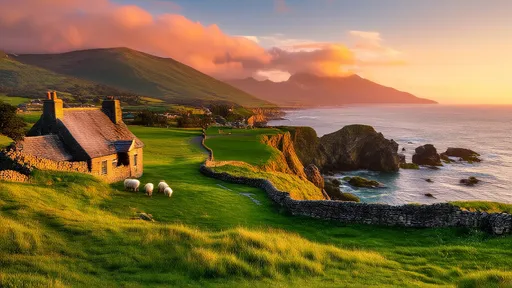
Stretching over 2,500 kilometers along Ireland's rugged western coastline, the Wild Atlantic Way is more than just a driving route—it's an immersive experience into some of the most dramatic and unspoiled landscapes in Europe. From the windswept cliffs of Donegal to the serene bays of Cork, this journey offers a profound connection with nature, culture, and the raw beauty of the Atlantic Ocean. Each twist and turn of the road reveals a new vista, a hidden beach, or a charming village that seems to exist outside of time.
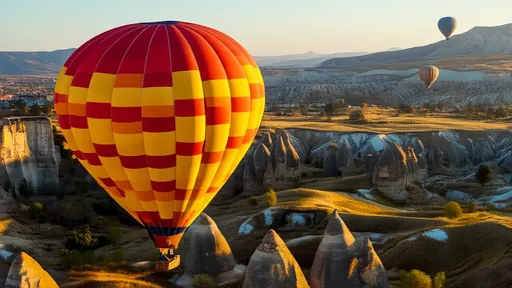
Dawn breaks over Cappadocia with a soft, ethereal light that seems to breathe life into the ancient landscape. The sky, a canvas of pastel hues, begins to fill with vibrant splashes of color as hot air balloons inflate and ascend, carrying eager travelers into the heavens. This is not merely a flight; it is a journey into a dreamscape, a surreal adventure over a terrain so otherworldly it has earned the moniker "Moon Surface." Cappadocia, nestled in the heart of Turkey, offers one of the most breathtaking hot air balloon experiences on the planet, blending natural wonder, history, and sheer magic.
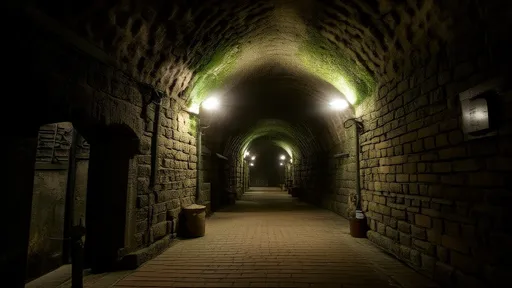
Beneath the cobblestone streets and Gothic facades of modern Poland and the Czech Republic lies a hidden world frozen in time—a labyrinth of medieval underground passages that whisper tales of trade, turmoil, and daily life from centuries past. These subterranean networks, often overlooked by travelers rushing between cathedrals and castles, offer a raw, immersive journey into the heart of Central European history. Unlike the polished museums and restored fortresses above ground, the underground cities retain an eerie, untouched authenticity, where the chill in the air seems to carry echoes of long-forgotten voices.
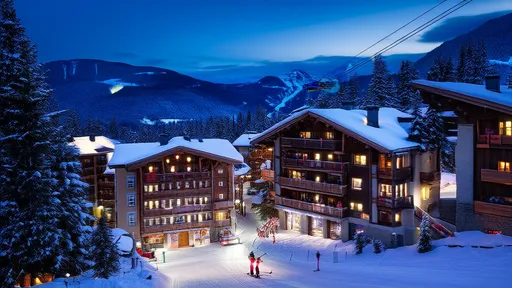
Nestled in the heart of Europe, the Austrian Alps transform into a breathtaking winter wonderland each year, drawing enthusiasts from across the globe to its pristine slopes and charming villages. The region’s reputation as a premier destination for winter sports is well-deserved, offering a perfect blend of world-class infrastructure, stunning natural beauty, and rich cultural traditions. From the moment the first snowflakes dust the towering peaks, the mountains come alive with the energy of skiers, snowboarders, and adventurers seeking both thrill and tranquility.
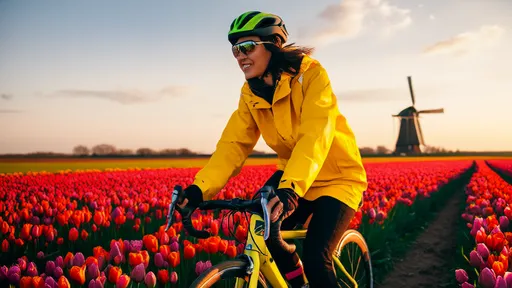
Beneath the vast, open skies of the Netherlands, where the horizon stretches uninterrupted and the air carries the scent of damp earth and blooming flowers, lies a unique invitation to adventure. This is not a journey for the hurried tourist, eyes glued to a phone screen from the sterile comfort of a tour bus. This is a call to those who seek a deeper, more visceral connection with a landscape—a call to challenge oneself, to mount a bicycle and pedal into the heart of the world’s most famous flower fields. This is a voyage of endurance, sensory overload, and profound personal discovery, where every turn of the pedal brings a new vista of breathtaking color and every muscle ache is a testament to the effort invested in experiencing true beauty.
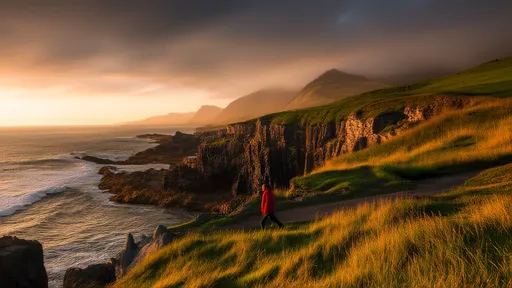
There is a place at the edge of the world where the sky meets the sea in a dance of mist and myth. The Isle of Skye, cradled by the wild waters of Scotland’s northwest coast, is more than an island—it is a feeling, a whisper of ancient times, a landscape carved by giants and painted by storms. To walk here is to wander through a story that has been unfolding for millennia, a narrative written in stone, water, and light.
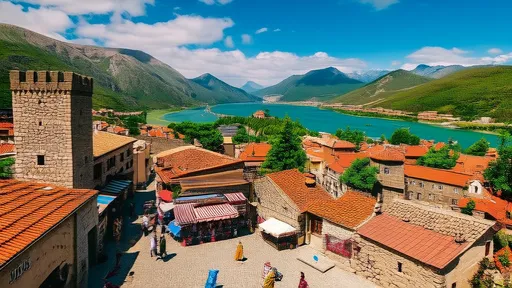
Nestled in the southeastern corner of Europe, the Balkan Peninsula holds a mosaic of cultures, histories, and landscapes that often escape the mainstream travel narrative. From the alpine serenity of Slovenia to the sun-drenched coasts of Montenegro, this region conceals layers of secrets waiting to be uncovered by those willing to venture beyond the surface.
There is a certain kind of traveler for whom a standard beach holiday feels like a sentence. They crave not just a change of scenery, but a change of elemental state. They seek the raw, the untamed, the landscapes that whisper of ancient myths and test one's mettle. For these souls, an idea takes root, an expedition that reads more like a saga than a vacation: an Iceland Ring Road自驾 adventure, framed through the lens of George R.R. Martin's epic, A Song of Ice and Fire.
Deep within the rugged embrace of Norway’s western coastline lies one of nature’s most breathtaking masterpieces—the fjords. Carved over millennia by ancient glaciers, these deep, serpentine inlets weave through towering cliffs and mist-shrouded mountains, creating a landscape that feels both primordial and profoundly alive. To journey into the heart of the Norwegian fjords is to step into an epic narrative written by ice, stone, and water—a story of elemental forces and sublime beauty that continues to unfold with each passing season.
Conquering the Alps is a dream for many outdoor enthusiasts, and Switzerland stands as the crown jewel of this majestic mountain range. With its pristine landscapes, well-marked trails, and rich cultural heritage, it offers an unparalleled hiking experience that beckons adventurers from around the globe. Whether you are a seasoned trekker or a casual walker, the Swiss Alps provide a diverse array of routes that cater to all levels of fitness and ambition. This guide aims to equip you with everything you need to know to embark on your ultimate Swiss hiking adventure, from preparation and route selection to cultural insights and practical tips.
Croatia, often hailed as the jewel of the Adriatic, is a destination that captures the imagination with its stunning coastline, rich history, and vibrant culture. Nestled in Southeast Europe, this Mediterranean gem boasts over a thousand islands, each with its own unique charm and allure. From the ancient walled city of Dubrovnik to the cascading waterfalls of Plitvice Lakes National Park, Croatia offers a diverse array of experiences that cater to travelers of all tastes. Its crystal-clear waters, sun-drenched beaches, and picturesque old towns make it a perennial favorite among those seeking both relaxation and adventure.
Nestled in the very heart of Europe, Austria presents a symphony for the senses, a place where the very landscape seems to compose music. It is a country where soaring Alpine peaks, serene emerald lakes, and lush, whispering valleys are not merely a backdrop but the very soul of its profound cultural identity. This is the land of Sound of Music, not just as a film title, but as a lived experience, where the harmony between nature and human creativity has, for centuries, inspired some of the world's most sublime art and music. To speak of Austria is to speak of an enduring dialogue between the earth and the artistic spirit.
At the southwestern tip of Europe, where the land crumbles into the Atlantic, there exists a place of profound geographical and symbolic resonance. The Cape of Sagres, in Portugal, carries an inscription that has echoed through centuries of exploration and human ambition: "Aqui, onde a terra se acaba e o mar começa"—"Here, where the land ends and the sea begins." More than a poetic observation, this phrase distills a moment of irreversible transition, a threshold between the known and the unknown that defined an era and shaped the modern world.
When one thinks of France, the mind often conjures images of the Eiffel Tower silhouetted against a setting sun, the aroma of freshly baked croissants wafting through a quaint Parisian street, or the gentle murmur of lovers along the Seine. This romanticized vision, perpetuated by cinema and literature, has become the global shorthand for French identity. Yet, to confine France to this narrow perception is to overlook the profound depth and complexity that truly defines this nation. Beyond the postcard-perfect clichés lies a country of immense historical gravity, fierce intellectual tradition, and a dynamic, often contentious, spirit of innovation that has shaped the modern world.
Deep within the lesser-traveled corners of Eastern Europe, where the whispers of ancient folklore still echo through misty valleys and dense forests, lies a world largely uncharted by modern travelers. The very phrase "Eastern European Secret Realm" evokes a sense of mystery, a promise of discovery beyond the well-trodden paths of Prague or Budapest. It is a realm where time seems to fold upon itself, where medieval villages cling to hillsides, and where nature asserts its dominance in sprawling, untamed landscapes. This is not merely a geographic region but a living tapestry of cultures, histories, and secrets waiting to be unraveled by those willing to venture beyond the familiar.
There are few natural phenomena that capture the human imagination quite like the Aurora Borealis. For centuries, these shimmering curtains of light have danced across the northern skies, inspiring myths, legends, and an insatiable desire in travelers to witness their magic firsthand. To see the Northern Lights is to experience one of nature’s most breathtaking performances—a display that feels both profoundly ancient and intensely alive.
Winding through the heart of Europe, Germany's Castle Road, or Burgenstraße, offers a journey not just through picturesque landscapes but through the very pages of history itself. Stretching over 1,200 kilometers from Mannheim in the west to Prague in the Czech Republic, though predominantly in Germany, this famed tourist route is a tapestry woven with the threads of knights, emperors, and legends. It is more than a mere collection of stones and mortar; it is a living narrative of power, romance, and architectural evolution, waiting to be explored by those with a thirst for the past and an eye for beauty.
Greece stands as a living testament to the divine, a land where mythology breathes through the very soil and sea. From the sun-drenched islands to the rugged mainland, the presence of the gods feels almost tangible, as if Zeus might still cast a thunderbolt from Mount Olympus or Poseidon could stir the Aegean with his trident. This is not merely a country of ruins and relics; it is a realm where ancient stories continue to shape the landscape and the spirit of its people. To explore Greece is to walk in the footsteps of deities and heroes, to feel the weight of epic tales in every temple stone and whispering olive grove.
There is a peculiar sensation that lingers long after one leaves Italy, a feeling that defies easy description yet remains etched in the memory with startling clarity. It is not merely the aftertaste of espresso or the ghost of a perfect pasta dish, but something far more profound—a sense of having touched a life more vibrant, more deeply lived. This is the essence of l’Italia che rimane, the Italy that remains. It is a country that does not simply offer itself to be seen; it demands to be felt, to be tasted, to be heard in the echo of footsteps on ancient cobblestones and the distant hum of a Vespa fading into a piazza’s dusk.
Spain awakens with a passion that courses through its sun-drenched streets and echoes in the lively plazas where life unfolds in a vibrant tapestry of sound and color. This is not merely a country but a living, breathing entity that pulses with an energy so palpable it feels like a second heartbeat. From the rhythmic clapping of flamenco dancers in Andalusia to the thunderous cheers erupting from packed football stadiums in Barcelona, Spain is a nation where emotion is not just felt but celebrated with unbridled enthusiasm.
The plant-based revolution has entered its second chapter, moving far beyond the initial wave of products that simply aimed to replicate the experience of eating meat. While the first generation was crucial for mainstream acceptance, proving that plant-based options could occupy space on dinner plates, its focus was narrow. The conversation was dominated by burgers, sausages, and nuggets—products designed to mimic their animal-derived counterparts. This was Plant-based 1.0: a proof of concept. We are now firmly in the era of Plant-based 2.0, a period defined not by imitation, but by innovation and ingredient-led discovery. The central question is no longer "Does it taste like beef?" but rather "What unique and delicious experiences can plants offer on their own terms?"
The traditional three-meal structure that has long defined Western eating habits is quietly disintegrating. For generations, the rhythm of breakfast, lunch, and dinner served as the culinary backbone of daily life, a schedule dictated by work hours, school bells, and cultural norms. Yet, a profound shift is underway, one that is dismantling these rigid timelines and replacing them with a more fluid, personalized, and opportunistic approach to eating. This phenomenon, known as Snackification, is not merely about the rise of the potato chip or the protein bar; it is a fundamental restructuring of our relationship with food, signaling the decline of the formal meal and the ascendancy of the small, frequent bite.
In a small classroom in suburban Tokyo, a group of elementary students carefully arranges vibrant vegetables on their plates while their teacher explains the journey of these ingredients from farm to table. This scene, repeated daily across Japan, represents more than just lunchtime—it embodies the nation's profound commitment to Shokuiku, a comprehensive food education philosophy that has been transforming how societies approach nutrition, culture, and sustainability.
In the quiet hum of a bustling restaurant or the warm glow of a family dinner, something profound is taking place. It is more than just the consumption of calories; it is the practice of commensalism, the act of sharing a table and, in doing so, sharing our lives. This ancient ritual, rooted in our very biology, remains one of the most potent yet understated social forces in human existence. Food is the universal language of care, the currency of community, and the quiet architect of our deepest connections.