Latest
97 stories · Editorial coverage
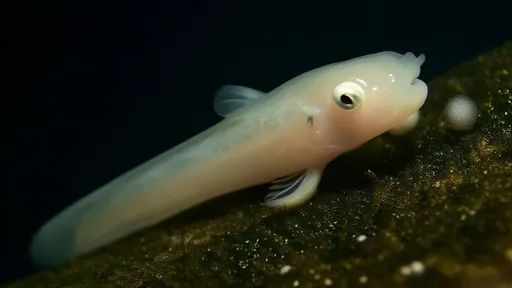
Deep in the limestone caves of Yunnan, a biological mystery unfolds as scientists decode the genetic degradation behind the cavefish's remarkable adaptation to perpetual darkness. These eyeless, pigmentless creatures have long fascinated evolutionary biologists, offering a living model of how extreme environments reshape genomes. Recent breakthroughs in sequencing technology have now allowed researchers to construct the most detailed genetic roadmap yet of these adaptations, revealing surprising patterns of gene loss and preservation.
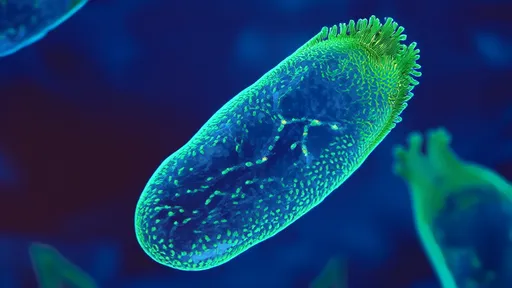
In the lush paddies of Southeast Asia, where monsoon rains routinely transform fields into temporary lakes, a quiet agricultural revolution is brewing. Scientists have identified a cluster of genes that enable certain rice varieties to survive complete submersion for up to two weeks—a discovery that could safeguard food security for millions as climate change intensifies flooding events.
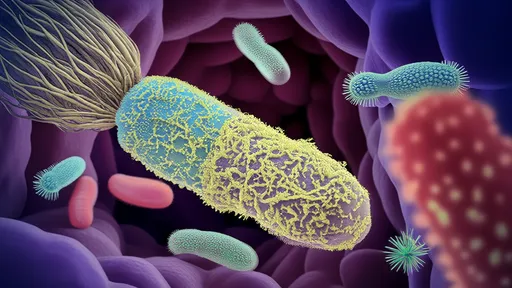
The giant panda, an iconic symbol of wildlife conservation, has long puzzled scientists with its ability to thrive on a bamboo-dominated diet despite possessing a digestive system typical of carnivores. Recent breakthroughs in microbiome research have uncovered a remarkable symbiotic strategy between Ailuropoda melanoleuca and its gut microbiota, revealing an evolutionary masterpiece of metabolic adaptation.
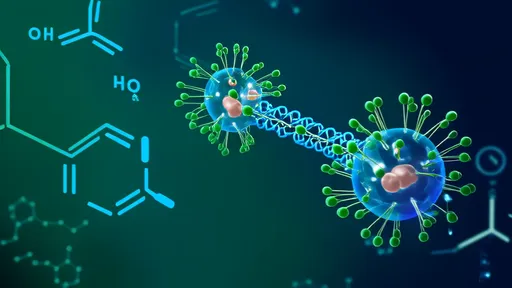
The agricultural industry stands at a crossroads in pest management, where the collateral damage of broad-spectrum neurotoxic pesticides has become environmentally untenable. A quiet revolution is brewing in laboratories worldwide—one that trades brute-force chemistry for surgical precision by targeting specific neural receptors in pest brains. This paradigm shift toward neuroreceptor-targeted pest control could dismantle decades-old practices rooted in indiscriminate toxicity.
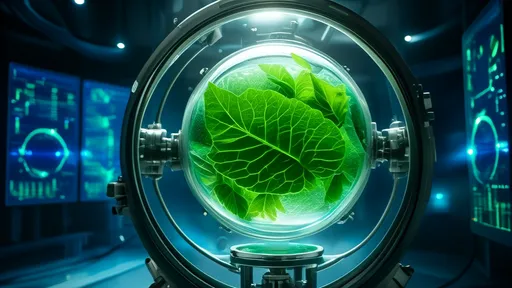
In a landmark achievement for renewable energy research, scientists have developed artificial chloroplast-like systems capable of converting sunlight into chemical energy with unprecedented efficiency. This breakthrough brings us closer to scalable carbon-neutral fuel production by mimicking nature's most sophisticated solar-powered machinery.

The rapid advancement of artificial intelligence has brought unprecedented opportunities for data-driven innovation. Yet beneath the surface of this technological revolution lies a fundamental tension between collaboration and confidentiality. Federated learning, once hailed as the perfect solution to this dilemma, now faces its own paradox—the very mechanism designed to break down data silos may be reinforcing them in unexpected ways.

The field of artificial intelligence has long been divided between two competing paradigms: the intuitive, data-driven approach of neural networks and the rigid, rule-based systems of symbolic AI. For decades, these camps have operated in parallel, each with distinct strengths and weaknesses. But a new wave of research is challenging this dichotomy by merging the two approaches into neurosymbolic systems—hybrid architectures that combine neural networks' pattern recognition with symbolic AI's reasoning capabilities.
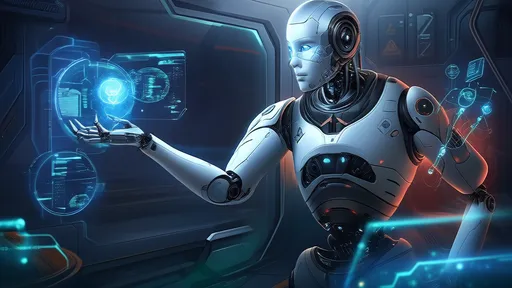
The field of artificial intelligence is undergoing a quiet revolution - one that moves beyond abstract algorithms and digital domains into the messy, unpredictable world of physical objects and spaces. This shift toward embodied intelligence represents a fundamental rethinking of how machines acquire and apply knowledge.

For decades, humanity has been launching satellites, rockets, and spacecraft into orbit with little regard for the consequences. Now, the skies above us are cluttered with defunct satellites, spent rocket stages, and countless fragments of debris—all hurtling around Earth at speeds of up to 17,500 miles per hour. This growing cloud of space junk poses a serious threat to active satellites, the International Space Station, and even future space missions. Enter the laser broom: a high-tech solution that could help sweep our orbital pathways clean.

The night sky has long served as humanity’s compass, guiding explorers across uncharted territories. Today, as we venture beyond Earth’s boundaries, scientists are revisiting this ancient practice with a revolutionary twist—using pulsars, the lighthouses of the cosmos, to navigate the vast expanse of space. This ambitious endeavor, known as the Cosmic Beacon Project, seeks to develop a pulsar-based navigation system that could one day replace or supplement Earth’s reliance on GPS.
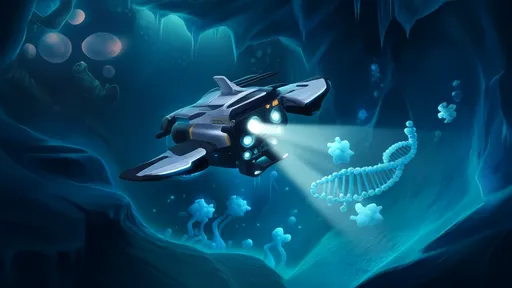
The icy crust of Jupiter's moon Europa has long captivated scientists with its hidden ocean, a vast liquid water reservoir that may hold the keys to understanding extraterrestrial life. Recent advancements in space exploration technology have brought us closer than ever to uncovering the secrets beneath Europa's frozen surface. The upcoming Europa Clipper mission, set to launch in the coming years, represents humanity's most ambitious attempt to answer one of science's greatest questions: Are we alone in the universe?
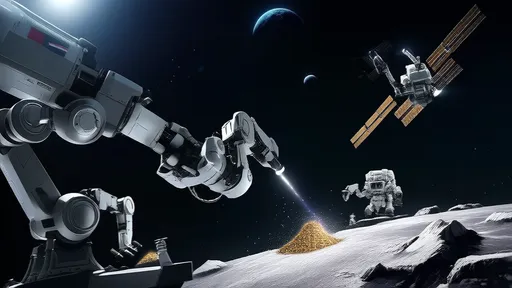
The race to mine platinum from asteroids has shifted from science fiction to boardroom strategy sessions. As Earth's finite resources strain under growing industrial demand, space ventures are betting billions that the next mineral rush will happen in zero gravity. The economics of asteroid mining present a paradoxical blend of staggering potential profits and existential risks that could make or break entire corporations.
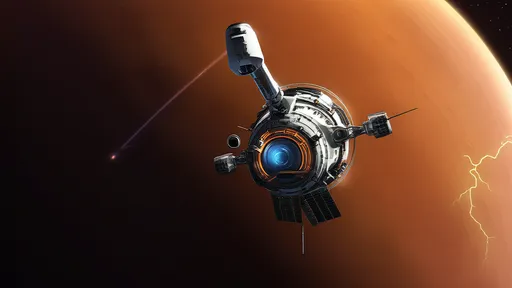
The detection of phosphine gas in Venus's atmosphere in 2020 sent shockwaves through the scientific community, reigniting debates about the possibility of life beyond Earth. This unexpected discovery, initially reported by a team led by Jane Greaves of Cardiff University, suggested concentrations of phosphine at approximately 20 parts per billion—a figure difficult to explain through known abiotic processes. The implications were profound: on Earth, phosphine is primarily associated with anaerobic biological activity. Could this be a signature of microbial life floating in Venus's temperate cloud decks?

The urban heat island effect has become one of the most pressing environmental challenges faced by modern cities. As concrete jungles expand, the trapped heat raises temperatures significantly compared to surrounding rural areas. In the battle against rising urban temperatures, innovative solutions like reflective pavements and ecological cooling strategies are emerging as potential game-changers.
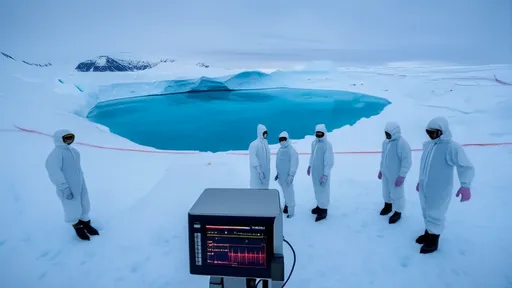
The melting glaciers of our planet are revealing more than just ancient rocks and fossils—they are unleashing biological time capsules that have been frozen for millennia. As climate change accelerates ice melt across polar regions and high mountain ranges, scientists are growing increasingly concerned about the potential revival of prehistoric viruses trapped in these thawing ice sheets. What began as a curiosity about perfectly preserved woolly mammoths has escalated into a legitimate scientific alarm: the re-emergence of pathogens that last infected living creatures when humans were still carving tools from stone.
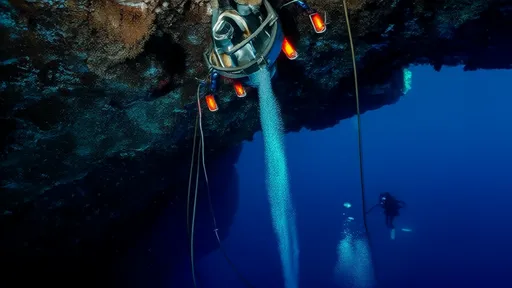
The fight against climate change has led scientists to explore unconventional methods of reducing atmospheric carbon dioxide levels. One of the most promising yet underreported solutions lies deep beneath the ocean—carbon storage in subsea basalt formations. Unlike traditional carbon capture and storage (CCS) techniques, which often rely on depleted oil reservoirs or saline aquifers, this approach leverages the natural chemical reactions between CO₂ and volcanic rock to permanently mineralize greenhouse gases.
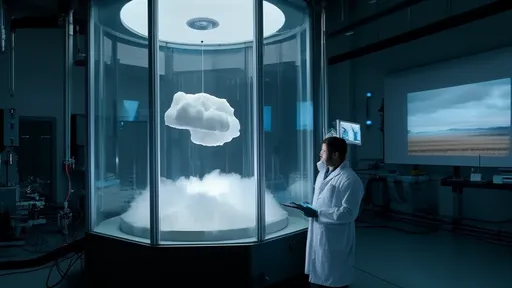
The skies above drought-stricken regions have become humanity’s newest battleground, where science and ethics collide in the form of silver iodide flares and cloud-seeding drones. As governments increasingly turn to weather modification programs like China’s ambitious "Cloud Seeding Project," the moral implications of playing precipitation god have begun dripping into public consciousness like delayed raindrops from a manipulated cloud.
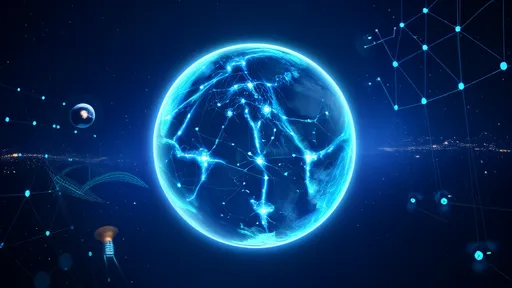
In a groundbreaking fusion of telecommunications and seismology, researchers have discovered that underwater fiber-optic cables can double as highly sensitive earthquake detectors. This accidental innovation transforms the global internet backbone into an unprecedented planetary monitoring system capable of capturing seismic events with remarkable precision. The implications for early warning systems and our understanding of Earth's dynamics are profound.

In the quiet hours between midnight and dawn, thousands of ordinary people sit hunched over their computers performing extraordinary acts of scientific discovery. They aren’t trained biochemists or computational biologists – they’re teachers, retirees, gamers, and students who’ve become citizen scientists through an ingenious online game about protein folding. What began as an academic curiosity has blossomed into one of the most successful examples of crowdsourced science, solving problems that have stumped researchers for decades.
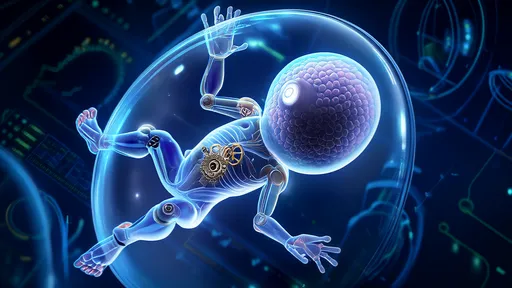
In a quiet laboratory at the Weizmann Institute of Science, a cluster of mouse stem cells begins pulsating with rhythmic contractions. Within days, these cells self-organize into a structure possessing a beating heart, a rudimentary brain, and the beginnings of a spinal cord. The astonishing part? This embryo-like entity was created without sperm, egg, or womb—a living testament to the revolutionary field of synthetic embryology.
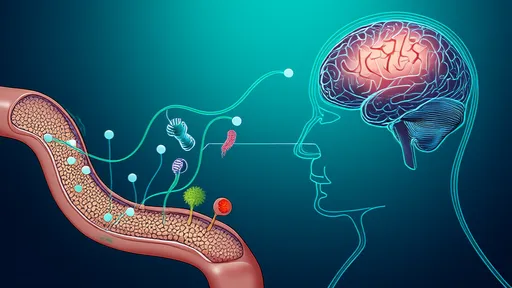
The intricate relationship between the gut and the brain has long fascinated scientists, but recent breakthroughs in understanding the gut-brain axis have opened new frontiers in neuroscience. Among the most compelling discoveries is the role of gut microbiota in neurodegenerative diseases, particularly Parkinson’s disease (PD). Once considered a disorder confined to the brain, PD is now increasingly viewed as a systemic condition with roots in the gastrointestinal tract. This paradigm shift is reshaping how researchers approach diagnosis, treatment, and even prevention.
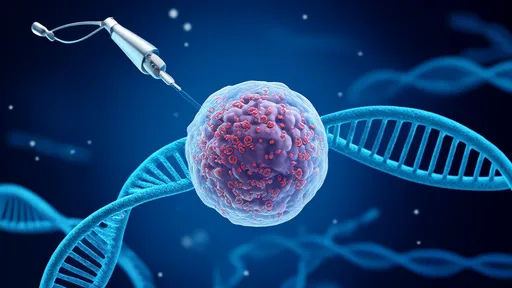
The ticking of our biological clock has long been considered an irreversible countdown, but emerging research in epigenetics is challenging this fundamental assumption. Scientists are now decoding the intricate patterns of DNA methylation – chemical tags that accumulate on our genome over time – to develop precise "epigenetic clocks" that measure biological age. These molecular timekeepers don't just track the passage of years; they're revealing pathways to potentially wind back the hands of time.
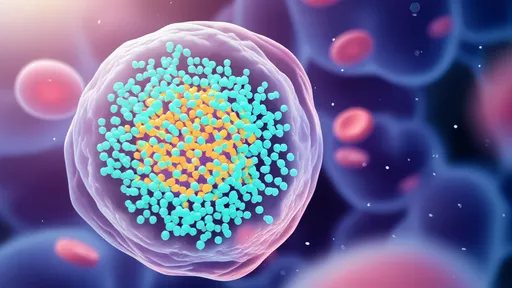
In the ever-evolving landscape of medical science, mitochondrial transplantation therapy has emerged as a groundbreaking approach that could redefine how we treat energy-deficient cells. This innovative technique involves transferring healthy mitochondria to damaged cells, essentially providing them with a new power source to regain proper function. The implications of this therapy span across numerous diseases where cellular energy production is compromised.

The quest for miniaturizing data storage has reached its ultimate frontier: the atomic scale. Scientists and engineers worldwide are now grappling with the challenge of storing information in single atoms, pushing the boundaries of physics, materials science, and engineering. This pursuit, often termed atomic-scale memory, represents not just a technological leap but a fundamental rethinking of how we encode and retrieve information.